


Chef Elizabeth Karmel Interview

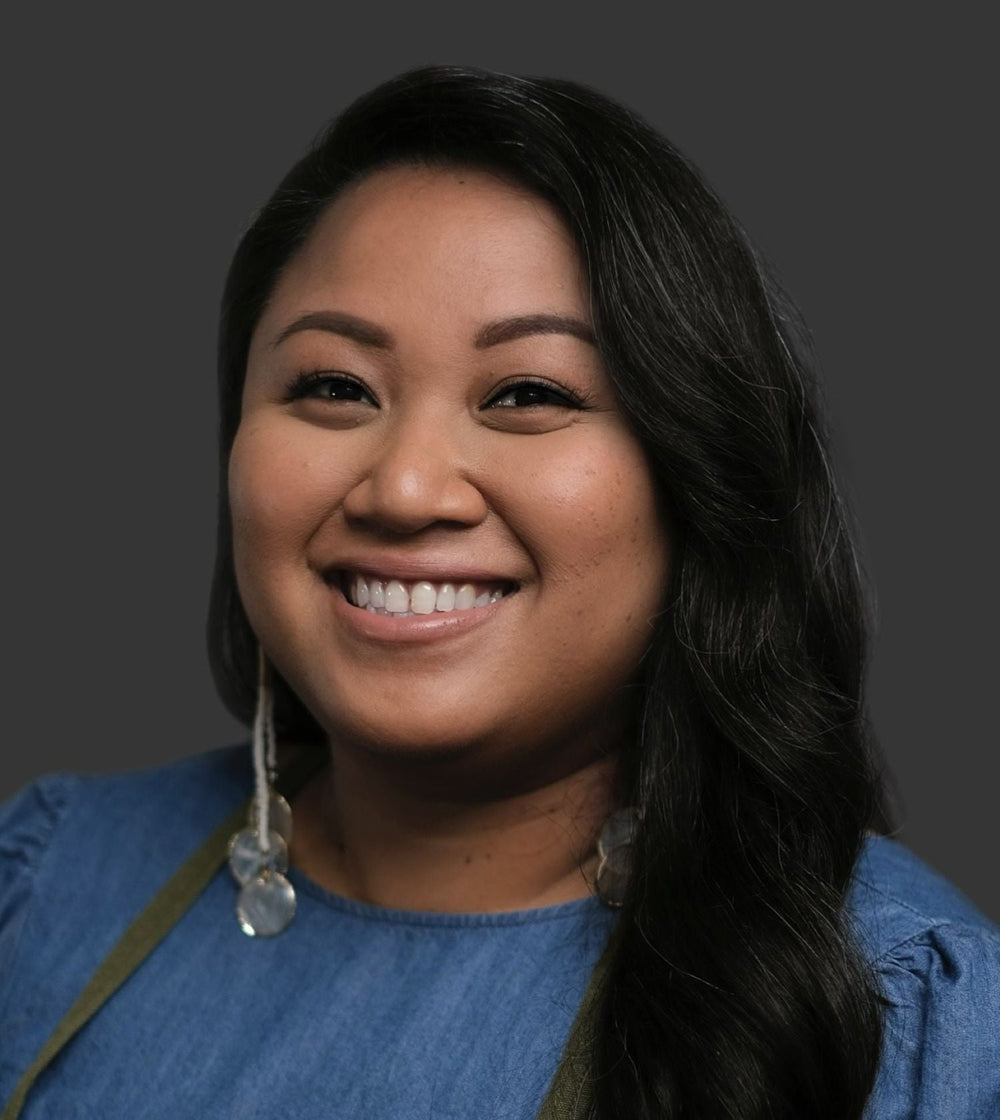
Elizabeth Karmel is a woman of many talents: grilling authority, 4-time cookbook author, Associated Press and Forbes journalist, creator extraordinaire - the list goes on. But at her core, she’s a North Carolina native culinarian who just loves to bring simple ingredients together to make something delicious.
On the heels of her trip to France this past summer (to learn about artisanal sea salt - cough - jealous), we sat down with Elizabeth to talk about the versatility of grilling, the highs and lows of cookbook writing, the magic of white pepper, and a lot more. Read the full interview below:
When did you first fall in love with cooking?
“I’ve always loved to cook because I’m a hands-on, experimental person. As a kid, I loved painting, crafts, and anything that let me learn something new. Cooking was the same: you start with raw ingredients, put them together, and end up with something amazing; I think I fell in love with it early because it was such a magical transformation of raw ingredients into something like cake. And there’s that immediate reward—you taste it, you share it with your friends and family, and you get immediate praise.”
Where do you find inspiration for new dishes?
“I find inspiration everywhere—friends, restaurants, books, travel. A recent example: I took a trip to the Guérande Peninsula in western France to learn about the ancient art of salt harvesting. The bread from a master baker in the area blew me away, especially paired with local butter and a pinch of the local fleur de sel.
When I came home, I wanted to capture the essence of the trip. Instead of making salt-crusted potatoes or fish, like I saw in restaurants there, I made homemade butter studded with fleur de sel. It was true to the spirit of the trip and also something my readers could easily make at home.”

You were one of the first women to break into the grilling world. What was that like?
“I wasn’t trying to break into a male-dominated industry—I was following my curiosity. My passion for outdoor cooking really sparked when I worked with Weber Grills. Back then, people mostly grilled hamburgers and hot dogs a couple times a year. Weber taught indirect cooking with a lidded grill, which opened up endless possibilities.
I fell in love with the flavor and flexibility. I took my indoor cooking skills outdoors, started teaching classes, and created Girls at the Grill in 2002. My tagline was—and still is—‘If you can eat it, you can grill it.’ Today, with gas, pellet, charcoal, and specialty grills, that’s truer than ever.”
Talk to me about a visceral food memory.
“Since it’s summer and tomato season, a simple tomato sandwich comes to mind. In North Carolina, a late-summer tomato sandwich was a ritual. A BLT or slice of tomato on a sandwich was common. But when you had a warm, vine-ripened tomato that smelled of the stalk and sun, you knew it was time for a tomato sandwich. This usually happened after a trip to the farmer’s market in August when tomatoes were at their peak.
In my house, Pepperidge Farm Original White was the bread—just right for a thick slab of purple-red tomato. Too soft and it fell apart, too crusty and it didn’t meld with the tomato. The bread was lightly toasted, slathered with Hellmann’s mayo, then topped with a thick tomato slice. The prized middle slice made the best sandwich, and if you were making them for a crowd, that slice was always reserved for company. A pinch of salt and a generous grind of white pepper—enough to make you sneeze—finished it.
It was the kind of sandwich you ate without putting it down. Juices soaked the bread, dripping down your elbows, often eaten standing over the sink. That salty, tangy, juicy sandwich captures the purity of summer.”

Who are some of your favorite cookbook authors?
“I used to have 2,000 cookbooks—I’ve pared down to about 1,000! Cookbooks fall into three categories for me: reference books, books I read for pleasure, and books I truly trust for recipes.
I actually learned to cook from the original Betty Crocker Picture Cookbook. It was tested by teams of home economists, so the recipes always work and reflect the way people really cooked in the 1950s. I also collect vintage cookbooks—I love seeing how cooking evolved before food became a trend.”
What spice do you think is underrated?
“If you had asked me 15 years ago, I’d have said grains of paradise. I loved it and even wrote recipes with it in my first cookbook. But it never caught on in the U.S.
Today, I’d say white pepper. Growing up in the south, it was a staple—just as common as black pepper. These days, chefs mostly stick to salt and black pepper, but I think white pepper brings a milder, more even flavor that really enhances dishes.”

What’s the best and hardest part of writing a cookbook?
“The best part is the creation. I love starting with a fresh notebook and pen, writing down family recipes, restaurant dishes I’ve loved, trends, and crazy ideas. It’s like a full audit of a topic. Then I organize them into categories and see where the holes are.
The hardest part is after I turn it in and it goes through the publishing machine. It can get tedious, and you sometimes have to fight for your voice. But creation and recipe testing? I love every second.”
What’s a technique or trick home cooks should know?
“One simple but game-changing trick: always coat food lightly with olive oil before grilling or roasting. It helps seasonings stick and keeps food juicy.
When I teach classes, I demonstrate why this is do important with slices of eggplant. I grill eggplant slices with and without oil. The unoiled slice will dehydrate, while the oiled one caramelizes on the outside and stays silky inside. My hack? Toss food in a resealable bag with a touch of oil and seasoning. It coats evenly, uses less oil, and can be prepped ahead of time.”
Do you have a favorite ingredient you always have on hand to cook?
“A whole chicken. I’ll do beer can chicken or spatchcock chicken, and I love that you can change the flavor profile completely with different rubs, sauces, wood smoke, or dips. You could eat chicken every night and never duplicate the flavors.”

What’s next for you in 2025 and beyond?
“I want to get back into teaching and writing more—my What’s 4 Dinner? Substack newsletter with Anthony Underwood is a big focus. I also think grilling has a bright future. Innovation with AI and smart grills is exciting, and the shift will be toward flavor and all kinds of recipes.The days of hamburger and hotdogs is gone, the backyard–or balcony–is America’s new kitchen!
I love consulting for food and houseware companies—helping them refine their products and solving problems for homecooks with both my culinary and marketing hat on. That’s where I see myself heading.”
What bourbon would you want to be buried with?
“Elmer T. Lee. Though I love many bourbons, that one holds a special place.”
What’s a bucket-list foodie destination for you?
“I’ve been all over the world but never to New Zealand or Australia. That’s at the top of my list—the food, the wine, the simplicity. Honestly, as I cook longer, I find myself drawn to the beauty of simple food. Like bread and butter in France—it reminded me that the simplest ingredients can be the most extraordinary.”